
2026 Rhode Island Legislative Update
Key Legislative Highlights
- Producer Licensing Act – Contract Modification: Clarifies that a change in producer compensation, such as a commission percentage reduction, requires 180 days advance notice.
- 60 Days Notice of Non-Renewal: For Homeowners & Dwelling policies
- Under-Insured Motorist Property Damage: Will be a mandatory optional coverage.
- Total Loss Vehicles: Raises the percentage of damage to 85% (from 80%) before an insurer can designate a vehicle a total loss. The consumer may still designate the vehicle a total loss at 75%.
- Condominium Law-Study Commission: A 16-member joint House and Senate study commission will review existing condominium laws regarding insurance requirements and condominium governance issues.
Producer Licensing Act-Contract Modification
This legislation was filed at IIARI’s request and was signed into law by the governor on 6/19/26. The newly amended law clarifies that a change in producer compensation is a contract modification, subject to an 180-day advance notice provision. Mark Male testified at multiple legislative hearings to usher this bill through the legislative process after receiving complaints over the years from members. A small minority of insurers weren’t honoring the existing law, relying on the dubious logic that commissions scheduled on an “addendum” are not a legal contract. The newly added language clarifies that “Any change in producer compensation shall be considered a contract modification.” The bills were sponsored by Rep Joseph Solomon (H-7111) & Sen Mark McKenney (S-2199).
Non-Renewal of Homeowners & Dwelling policies – 60 days advance notice
This legislation passed and will require 60 days’ advance notice of non-renewal effective 7/1/27. Over the last several years, three insurers have exited the RI homeowners market, resulting in the non-renewal of thousands of policies. After receiving many complaints from her constituents, Sen Victoria Gu of Westerly filed this legislation, and IIARI provided key testimony supporting it. The extra 30 days’ notice of non-renewal will give consumers more time to make updates to qualify for a standard replacement policy. Rhode Island has the second oldest housing stock in the country with an average home age of 61 years. Multiple insurance company lobbyists opposed the original version of the bill. Sen Gu amended the bill, called a “Sub A”, with compromise language that delayed the effective date to 7/1/27 and made some other changes. Cancellations for underwriting reasons will remain with 30 days’ notice. Rhode Island will be only the fifth state in the country with 60 days’ notice of non-renewal for home and dwelling policies. Sen Victoria Gu (S-2011 Sub A) & Rep Sam Azzinaro ( H-7066 Sub A).
Total Loss Vehicles
Raises the percentage of damage to 85% (from 80%) before an insurer can designate a vehicle a total loss. The consumer is still able to designate the vehicle a total loss at 75%. It’s the consumer’s choice between 75% and 85%. This 85% provision was proposed last year with the body shops and the insurers compromising at 80%. This year the body shops came back again with the 85% threshold. The bills passed both chambers again this year by very wide margins. The Governor’s Insurance Council, including IIARI members, voted to ask the Governor to veto the bill. After a press release by insurers, the veto request issue received considerable TV news, Providence Journal, and talk radio coverage. The insurance companies stated that the repair costs on more heavily damaged vehicles will add $1M to $1.5M to claim costs, further increasing RI auto premiums. In her front-page story about the veto request, Katherine Gregg referred to the body shops as the “reliably generous auto body industry” in reference to their history of prolific political contributions. The body shops argued that the bill is designed to protect consumers by giving them the choice to have their car repaired instead of being forced to purchase a new vehicle. The governor did not veto the bill, allowing it to become law without his signature.
Underinsured Motorist Property Damage
Legislation passed that will require insurance companies to offer underinsured motorist coverage for property damage as an optional coverage as of 4/1/27. Underinsured motorist is currently required by law and automatically included with the purchase of uninsured motorist bodily injury only. One of the prominent body shop owners testified at a House Corporations Committee hearing about an elderly customer who lost almost the entire value of her car after an at-fault driver wiped out four vehicles but had only $25,000 property damage coverage. The woman didn’t have collision coverage, and she couldn’t apply her UMPD coverage because the other driver was insured. The at-fault driver had only a fraction of the coverage needed for all the damages. The original version of the bill would have automatically included the underinsured motorist property damage along with uninsured motorist property damage (the same way UMBI is handled). Insurance company lobbyists negotiated a compromise that will make the underinsured motorist property damage optional and require a signed rejection if the underinsured motorist property damage is not purchased by those who purchase uninsured motorist property damage (H-7520 Sub A & S-2633 Sub A).
Condominium Law Study Commission
Legislation passed which will form a 16-member joint House and Senate study commission whose purpose would be “to make a comprehensive study identifying existing challenges within Rhode Island’s current condominium law” and report back to the General Assembly in December 2027 for legislation in 2028. There were numerous condominium bills filed this year that didn’t pass proposing a dispute resolution procedure for unit owners, required reserve funding for future maintenance costs, and required audits. Another bill which passed in the Senate but didn’t advance in the House would have allowed condominium associations declared after July 1, 1982 to adopt a “bare walls” insurance structure for master policy coverage on the units.
Every year, many bills are filed which would be very harmful to the industry. It has become more common for inner city legislators to try to shift territorial increased auto rates to a broader population. Every year the trial lawyers submit a package of bills that would increase civil awards/judgements which would strain affordability and availability. The trial lawyer bills seek to eliminate policies that contain defense within the limits provisions, eliminate medical expense offsets in claim settlements, change common law on long-held theories like assumption of risk, and require expensive uninsured motorist coverage for minimum limits / low income drivers. A group backed by contractors had eight bills filed this year which would have disrupted settlement of first-party property claims. The bills proposed would have required insurance adjusters to obtain a contractor’s license, require insurance companies to perform an appraisal process even if a claim wasn’t covered and allowed first party property claims 10 years after the date of a loss.
IIARI has long maintained a credible presence at the statehouse, pointing out the merits of some bills and the unintended consequences of others. That being said, knowledge and logic don’t always win out in the “building”.
Please support the IIARI PAC; it helps us get our message out and protects our livelihood.
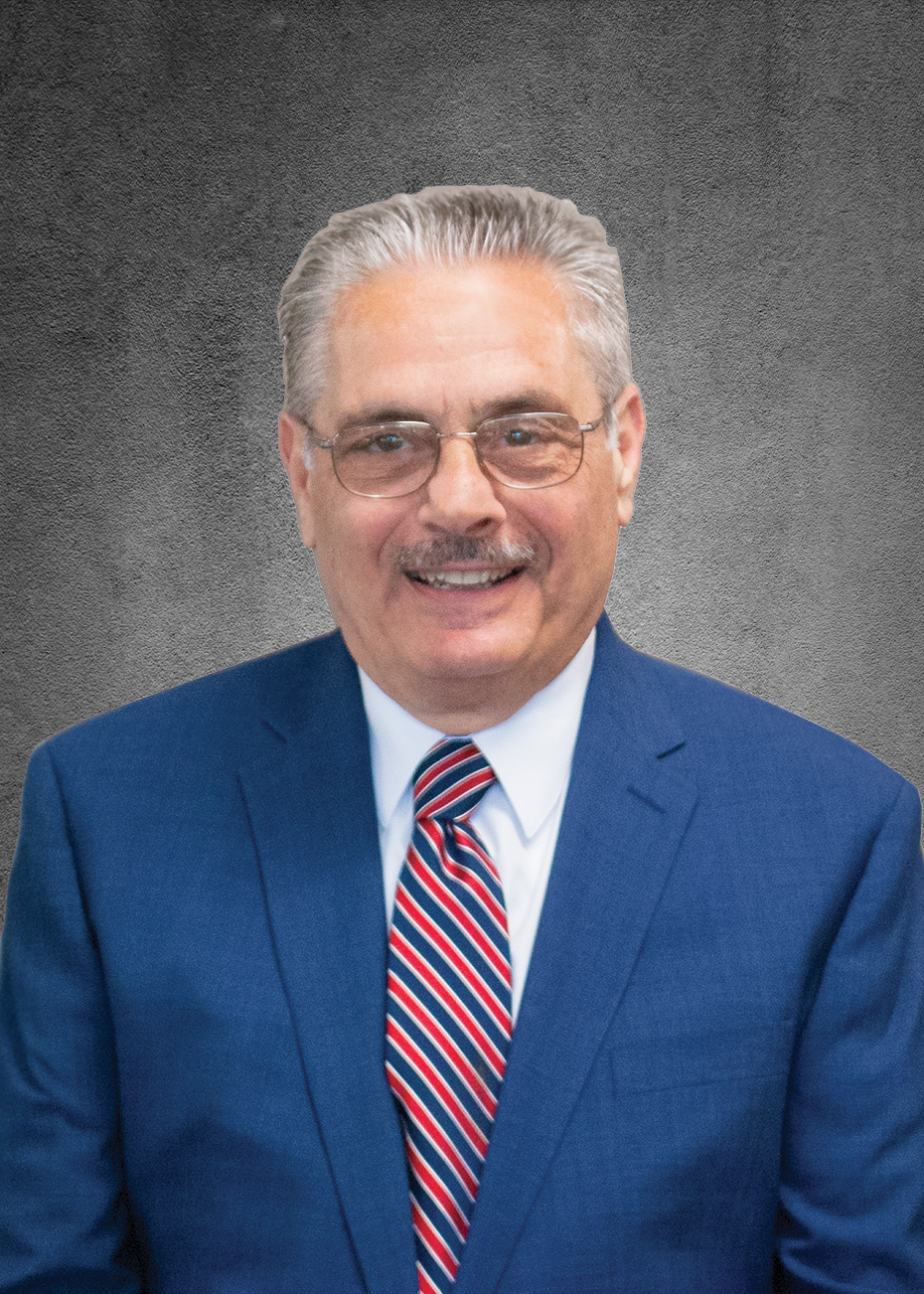
Ernest (Ernie) Shaghalian Jr., CPCU, AAI
Ernie serves as Chair of the IIARI Government Affairs Committee.